
Remote Support
What strong remote IT support looks like for small teams
Speed matters, but clarity, security, and follow-through matter just as much.
Speed matters, but clarity, security, and follow-through matter just as much.

Convenience is not free—you should know when a tool is allowed and when it is not.

Rankings alone do not pay payroll; you need visibility into queries, pages, and actions that correlate with conversations.

The first days set habits—good or bad—for security and productivity.

Search-friendly content should still sound like something you would say to a client in person.

Some problems are cabling, power, physical damage, or environment—and no amount of remote magic fixes a dead switch port.

For many local businesses, your profile is a second homepage—yet it is often set-and-forget.

Distributed work means maintenance windows must be deliberate—and tested.

Relaunches are when rankings quietly die—redirects and indexation deserve the same attention as the new visuals.

If you serve a defined area, map packs and localized queries often produce faster wins than chasing national head terms.

If you cannot retrieve it, you cannot defend it—or release it to patients.

Speed and documentation matter more than perfection in the first hour.

If a vendor touches PHI on your behalf, paperwork should match reality—not a dusty PDF no one read.

Fax persists in healthcare because it is familiar—not because it is magically secure.

Not every mailbox needs military-grade tooling—but unencrypted PHI to consumer Gmail is indefensible.

Inspectors and partners ask for evidence, not intentions.

Most PHI incidents are human error, not Hollywood hackers.

Retention schedules should tie to legal, payer, and specialty norms—not infinite hoarding.

Treatment, payment, and operations disclosures differ from marketing or research uses—forms should reflect that.

Every field you collect is another place PHI can leak—collect what you need, when you need it.

Power events cause intermittent failures that mimic bad RAM or software corruption.

We weigh age, part availability, total cost of ownership, and business disruption.

The right peripherals reduce cable swapping and support ergonomic setups.

Replacing a spinning disk with an SSD rejuvenates laptops and desktops at modest cost.
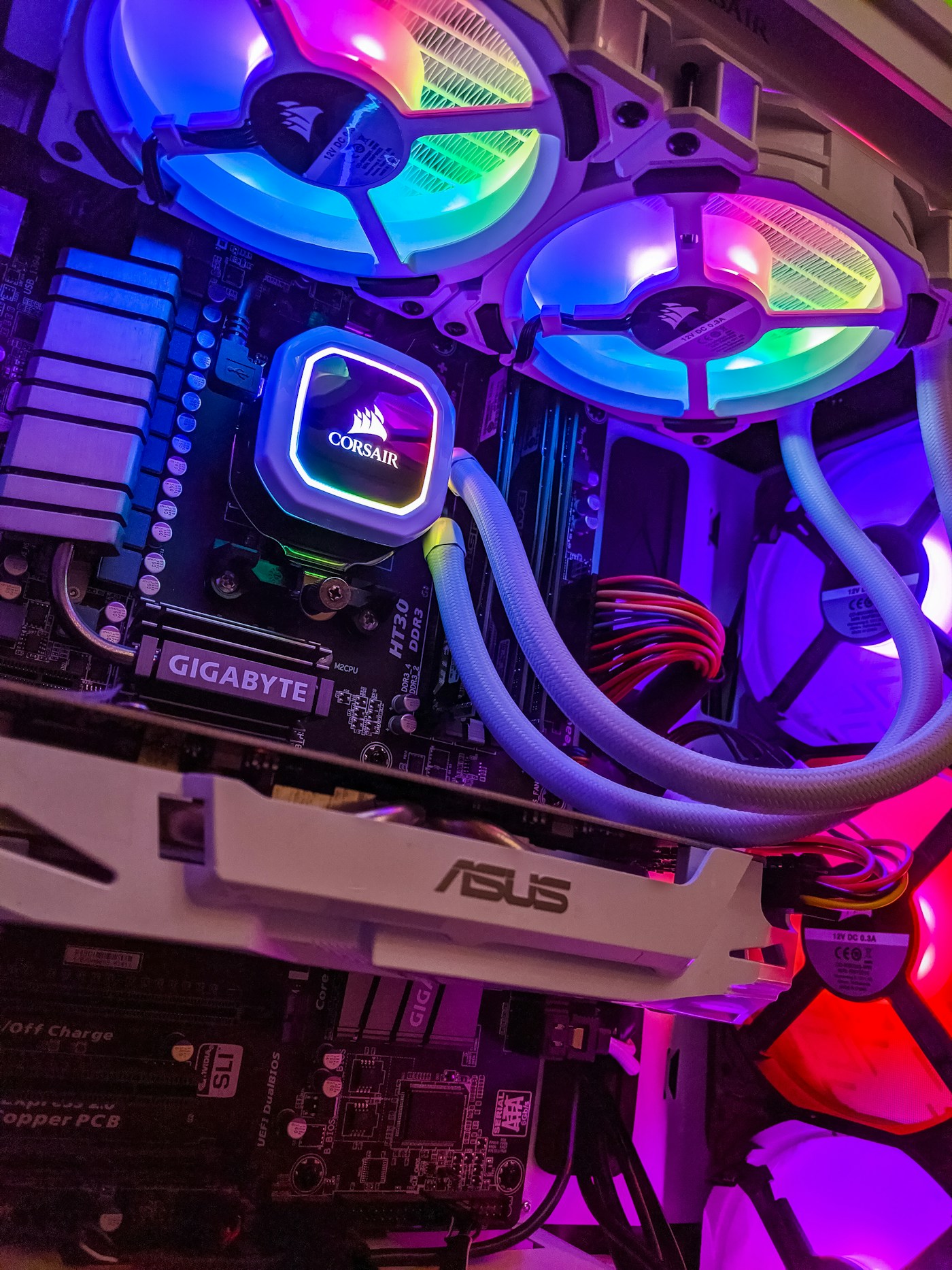
Slowness is symptom, not diagnosis: storage, thermal throttling, RAM pressure, or background apps each present differently.

Triaging saves money: know the difference between a single bad cable and a design problem.

Backups should align with how you restore—not just how you copy.

Segmentation limits how far an intruder or malware can move once inside.

VPNs extend the office network—not every app should ride the tunnel forever.

Fast internet at the modem means little if wireless is congested or poorly placed.

Buy when your process matches the product; build when your process is the differentiator.

Software is never “done”—platforms, browsers, and threats move constantly.

Well-designed APIs let your custom app coexist with QuickBooks, Salesforce, EMRs, or ticketing systems.

Internal apps are tempting targets because they sit behind “obscurity”—until they are not.

The most expensive bugs are built from ambiguous specs.

Ping checks are cheap; meaningful monitoring ties alerts to business impact.

Backups that are never tested are wishes, not plans.
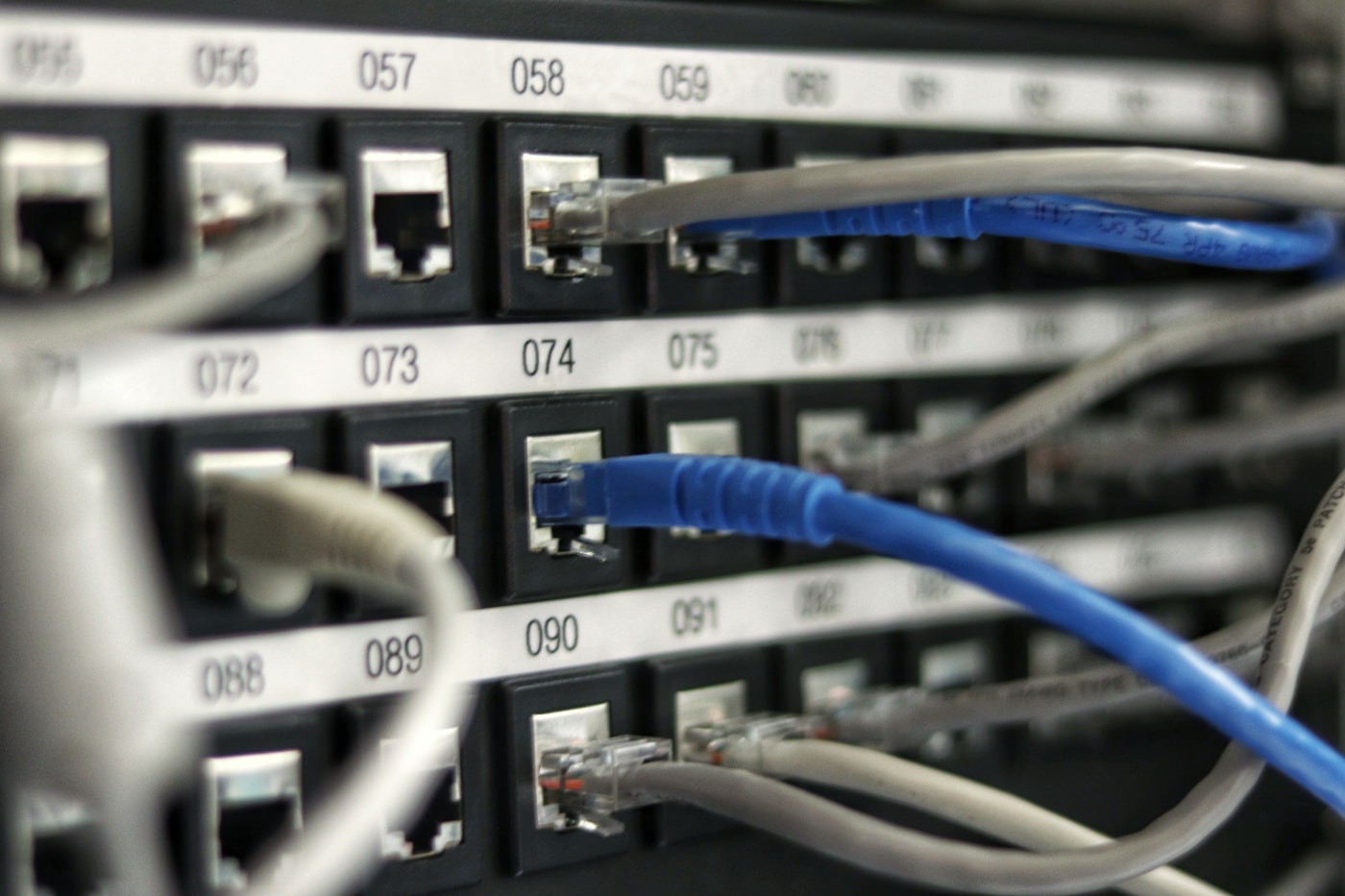
DNS translates your domain name to servers. Small mistakes create email outages or phantom “site down” events.
HTTPS is baseline today—browsers, search engines, and customers all expect it.

Choosing hosting is less about buzzwords and more about who answers the phone when something breaks.

Not every aging site needs to be thrown away—sometimes a structured refresh saves time and budget.

Visual hierarchy signals competence before anyone reads your first sentence.

Accessible sites reach more people and reduce legal and reputational risk—especially for healthcare-adjacent businesses.

Google’s Core Web Vitals reflect real-user experience—worth discussing even if SEO is not your top priority.

Most visitors discover you on a phone—layout, performance, and readability should start there.